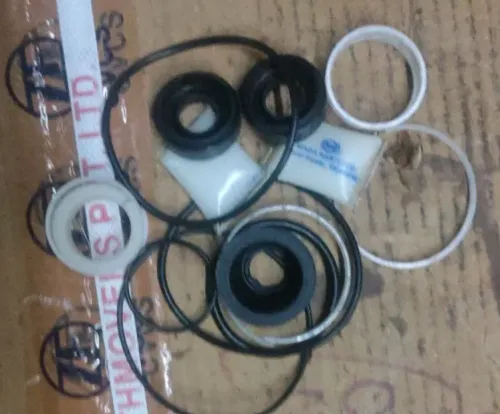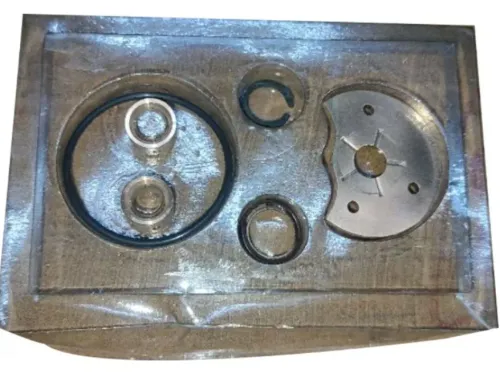
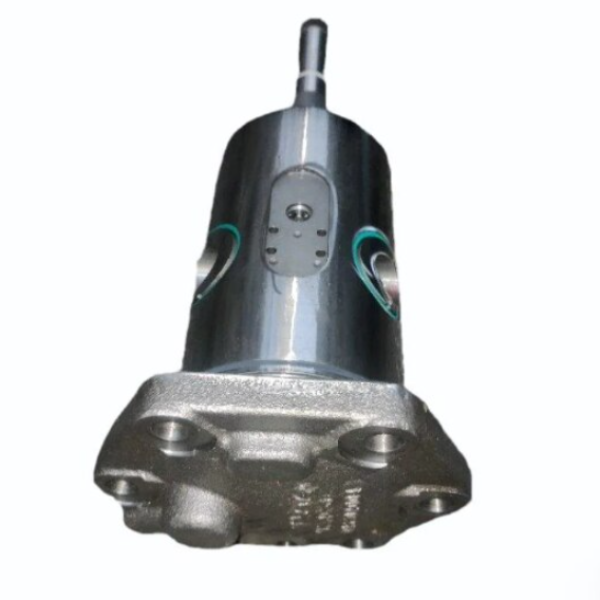
The internal condition of a steering gearbox has a major influence on how successfully it can be repaired. During an overhaul, technicians may discover that replacing seals alone will not solve the problem because a working surface or internal component has already deteriorated. One such component requirement may involve a Piston 8046 Steering Gear Box application.
For steering repair specialists, mechanics, commercial vehicle workshops, and spare parts dealers in Nagpur, deciding whether a piston remains reusable should be based on physical inspection and gearbox condition.
Why Piston Condition Matters
Within a hydraulic steering gearbox, components operate under hydraulic pressure and controlled mechanical movement.
The piston and associated sealing elements must work together correctly. If relevant surfaces become damaged or excessively worn, hydraulic performance may be affected even after new seals are fitted.
This is why a gearbox overhaul should include component inspection rather than automatic seal replacement.
Look for Surface Damage
After dismantling and cleaning the gearbox, technicians should inspect the piston and relevant working surfaces.
Potential concerns can include
- Scoring
- Scratches
- Corrosion
- Abnormal wear
- Impact damage
- Damaged sealing areas
- Surface deterioration
The significance of any defect depends on its location and severity.
Components that are outside acceptable service condition should not be reused simply to reduce the immediate repair cost.
Repeated Seal Failure Can Be a Clue
When a steering gearbox begins leaking again shortly after seal replacement, the first assumption may be that the seals were defective.
That is not always the case.
A damaged mating surface can affect a new seal and cause recurring leakage. Incorrect installation, contamination, or excessive internal wear can create similar problems.
Repeated failure is therefore a reason to reassess the complete gearbox.
Check More Than the Piston
Even when a Piston 8046 Steering Gear Box component requires replacement, technicians should avoid focusing on that component alone.
A complete inspection should consider shafts, bores, seals, bearings or other applicable internal parts, hydraulic fluid condition, and external steering components.
The goal is to understand the overall condition of the assembly.
Confirm the Exact Application
Part identification becomes particularly important with internal steering gearbox components.
Visual similarity is not sufficient proof of interchangeability.
Before purchasing a piston, workshops should confirm the gearbox type and available component references. Dimensions and application details should correspond to the unit being rebuilt.
Keeping the dismantled original available for comparison can also support identification.
Evaluate Repair Economics
A major steering gearbox repair requires labour, cleaning, replacement components, hydraulic fluid, installation, and testing.
If several critical components are heavily damaged, workshops should consider whether rebuilding remains the most practical option.
On the other hand, when the gearbox housing and other important components remain serviceable, replacing a worn internal part as part of a professional overhaul may extend the useful service life of the assembly.
The decision should be based on condition rather than a fixed rule.
Why This Matters for Commercial Fleets
A steering problem on a truck or bus can remove an income-generating vehicle from service.
For transport businesses operating from Nagpur to destinations across Maharashtra and central India, repeat repair work adds both direct and indirect costs.
A careful overhaul can help reduce those avoidable repeat visits.
S A AUTOMOBILES supports steering component requirements for local workshops, fleet maintenance professionals, spare parts dealers, and mechanics in Nagpur. Buyers looking for an 8046 steering gearbox piston should provide accurate gearbox information before ordering.
Replace Components for a Reason
A piston should not be replaced merely because the gearbox has been dismantled, and it should not be reused merely because replacement adds cost.
The correct approach is inspection-led maintenance.
Clean the gearbox, identify wear, examine mating components, determine the cause of the original fault, and verify the replacement specification. That process gives technicians a stronger basis for deciding whether piston replacement is necessary and helps improve the quality of the completed steering gearbox overhaul.
Keywords