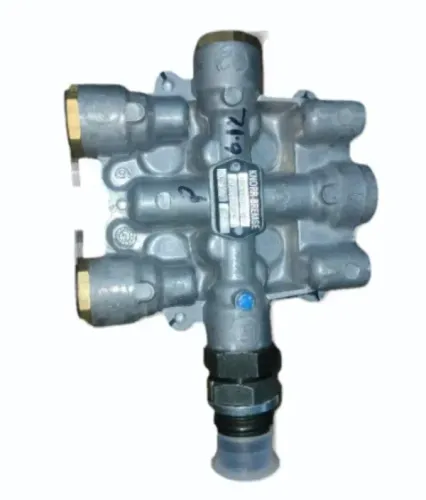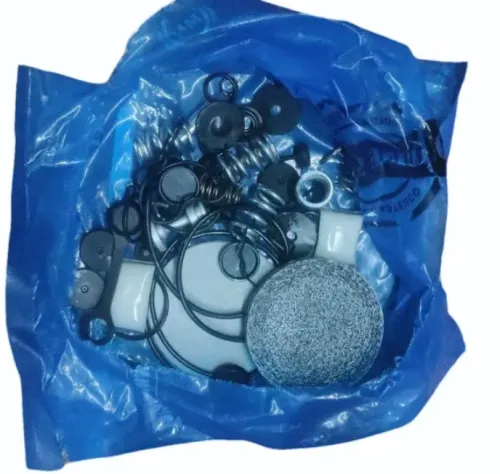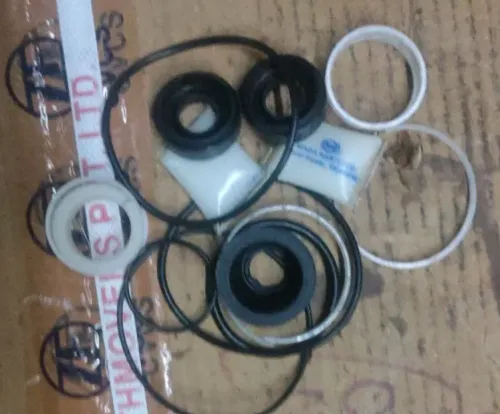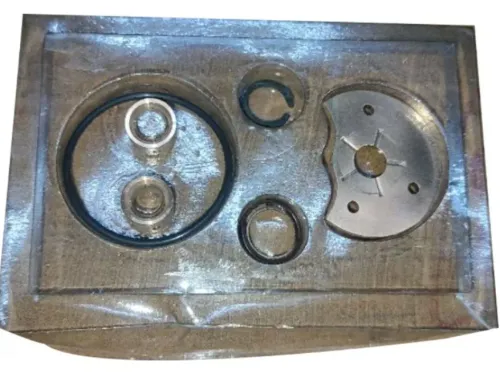
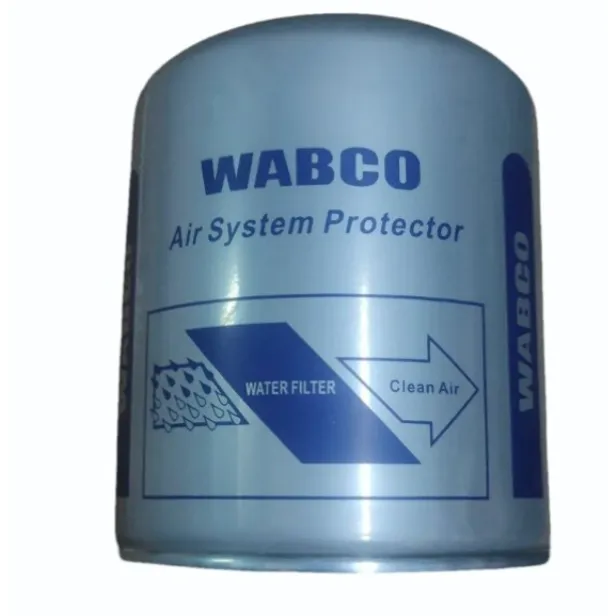
Air-operated systems play an essential role in many commercial vehicles, particularly in applications where dependable compressed-air management is required. Components within these systems must handle pressure consistently while helping protect connected circuits. Buyers searching for a Wabco Air System Protector should therefore focus on correct application and specification rather than treating the component as a generic replacement part.
For truck operators, bus owners, workshops, and transport fleets in Nagpur, accurate identification is especially important because a wrong air-system component can create installation delays and potentially affect system operation.
Understand the Component's Role First
Commercial vehicle compressed-air systems can include several valves, reservoirs, dryers, protective devices, and control components.
A protection device is used as part of the system's pressure-management architecture. Depending on the vehicle and configuration, it may help manage or isolate air circuits so that the overall pneumatic system operates as designed.
Because system layouts differ, technicians should understand which component is being replaced before ordering it.
Do Not Purchase by Appearance Alone
This is one of the most important buying rules.
Two pneumatic components can have a similar shape and port arrangement while being designed for different pressure characteristics or system configurations.
Before purchasing, record available information from the existing component.
Check
- Manufacturer identification
- Part number or reference
- Vehicle model
- Number and position of ports
- Existing system configuration
- Relevant workshop information
Photographs can help a supplier understand the component, but they should not replace proper part identification where a reference number is available.
Investigate Why the Existing Part Failed
Replacing a faulty protector without checking the surrounding air system can result in an incomplete repair.
Contamination, moisture, poor air-dryer performance, damaged lines, leakage, or other pneumatic problems can affect multiple components.
Technicians should therefore inspect the broader system and not assume that every air-pressure complaint is caused by one valve.
Watch for Air-System Symptoms
Commercial vehicle operators should pay attention to changes such as slow pressure build-up, repeated pressure loss, unusual air leakage, warning indications, or abnormal pneumatic system behaviour.
These symptoms require proper diagnosis.
A workshop may need to test pressure at different points in the system and inspect connected components to locate the actual fault.
Safety-critical air and braking systems should be serviced by appropriately skilled technicians.
Consider Fleet Standardisation
Transport companies operating several similar vehicles can simplify maintenance by maintaining accurate records of component references for each vehicle or model.
A basic fleet parts record can include
- Vehicle registration or fleet number
- Chassis and model information
- Installed component reference
- Previous replacement date
- Supplier reference
- Maintenance observations
This makes repeat purchasing faster and helps reduce mistakes when several trucks are serviced simultaneously.
Why Local Parts Availability Matters
Nagpur is a major transport location connecting routes across Maharashtra and central India. For commercial vehicle operators, parts-related delays can affect dispatch schedules and vehicle utilisation.
Having the correct component identification ready before contacting a supplier can shorten the sourcing process considerably.
S A AUTOMOBILES works with commercial vehicle owners, spare parts dealers, workshops, mechanics, and transport maintenance professionals in Nagpur. When enquiring about a Wabco Air System Protector, buyers should provide the available part reference and vehicle application so compatibility can be assessed more accurately.
Buy for Correct Fit and Function
A pneumatic protection component should not be chosen purely because it is inexpensive or physically similar to the removed part.
Correct specification, trusted sourcing, proper installation, and diagnosis of the wider air system all matter.
For fleet operators, this approach can reduce repeat workshop visits and improve maintenance planning. For mechanics, it reduces the frustration of dismantling a vehicle only to discover that the replacement component does not match.
Accurate identification remains the simplest starting point for a dependable commercial vehicle air-system repair.
Keywords