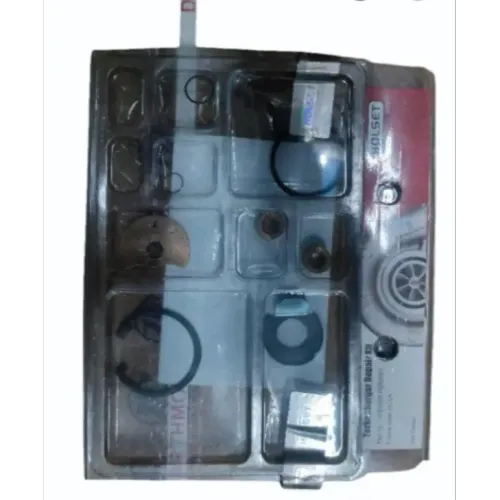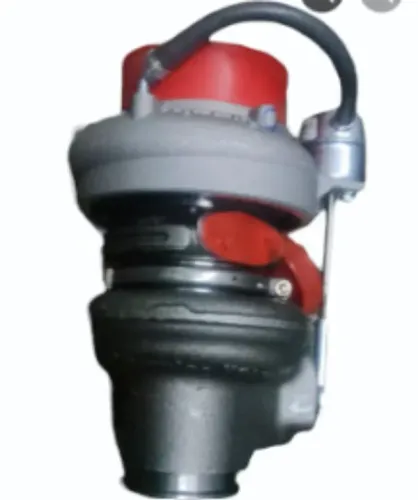


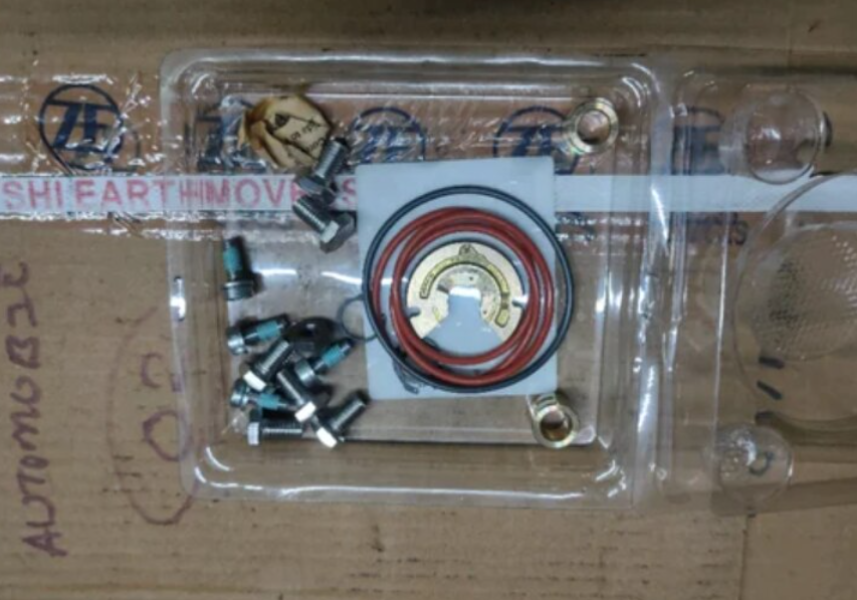
Turbocharger rebuilding demands considerably more precision than many routine automotive repairs. Internal components operate under high temperatures and at extremely high rotational speeds, leaving little room for contamination, incorrect fitment, or overlooked damage. A TEL Turbocharger Repair Kit should therefore be used as one part of a complete inspection and rebuilding process.
For workshops and turbocharger repair specialists serving commercial vehicles in Nagpur and across Maharashtra, following consistent rebuild practices can reduce repeat failures and improve repair quality.
Clean the Turbo Before Detailed Inspection
A turbocharger removed from an engine is often covered with oil residue, carbon, road dirt, or other contaminants.
Opening the assembly carelessly can introduce this material into sensitive internal areas.
The exterior should be cleaned appropriately before detailed disassembly. Components should then be organised carefully so technicians can identify abnormal wear patterns and determine which parts remain suitable for reuse.
Identify the Exact Turbo Model
Repair components should not be selected only by visual similarity.
The correct approach is to record available turbocharger identification details and match the repair kit to the actual unit. Differences that appear minor can matter significantly inside a high-speed rotating assembly.
For spare parts dealers, requesting identification details from the workshop before supplying a kit can prevent incorrect component selection.
Inspect Components Rather Than Automatically Reusing Them
A repair kit replaces specified service parts, but it does not make damaged major components usable again.
During inspection, technicians should pay attention to the condition of the shaft, wheels, bearing surfaces, housings, sealing areas, and associated components.
Evidence of rubbing, scoring, cracks, overheating, impact damage, or excessive wear should be investigated before the turbo is rebuilt.
Find the Cause Outside the Turbocharger
This step is frequently overlooked.
A turbocharger may be damaged because another part of the vehicle is not functioning correctly. Potential causes include oil starvation, contaminated lubricant, restricted intake airflow, foreign material entering the compressor, excessive exhaust conditions, or blocked oil return paths.
Installing repaired components without resolving the external cause can result in another failure.
A useful workshop checklist includes
- Inspect engine oil condition
- Check oil feed and return paths
- Examine the air filter
- Inspect intake pipes
- Check intercooler connections
- Look for foreign-object damage
- Inspect relevant exhaust components
This turns turbo repair into a system-level diagnosis rather than a parts-changing exercise.
Keep the Assembly Process Clean
Small particles can cause significant problems in precision components.
A clean work area, appropriate tools, careful handling, and correct lubrication during assembly are basic requirements. Technicians should avoid improvised methods that can damage sealing surfaces or rotating components.
Any required specifications and procedures for the particular turbo model should be followed.
Pay Attention to Rotating Assembly Condition
Turbocharger performance depends heavily on the condition and precision of its rotating components.
Replacing service items does not automatically correct damage or imbalance elsewhere in the assembly. Appropriate specialist procedures should be used where inspection, measurement, or balancing is required.
This is one reason experienced turbo repair specialists distinguish between component replacement and a complete professional rebuild.
Prepare the Vehicle Before Reinstallation
The repaired turbo should not be installed into a system that still contains the conditions responsible for the original failure.
Oil lines, intake components, filtration, and related connections should be checked. Suitable priming and start-up procedures should be followed before the engine is placed under load.
Build Reliability Into the Repair
For commercial vehicle operators in and around Nagpur, repeat turbo failure means more than another repair bill. It can mean lost trips, delayed deliveries, workshop downtime, and operational disruption.
S A AUTOMOBILES supplies turbocharger repair components for workshops, mechanics, dealers, and vehicle maintenance professionals. When sourcing a TEL Turbocharger Repair Kit, accurate turbo identification and proper technical inspection should come before installation.
A reliable rebuild is ultimately the result of several correct decisions diagnose the failure, identify the turbo accurately, inspect reusable components, maintain cleanliness, assemble carefully, and correct the vehicle-side cause before returning it to service.