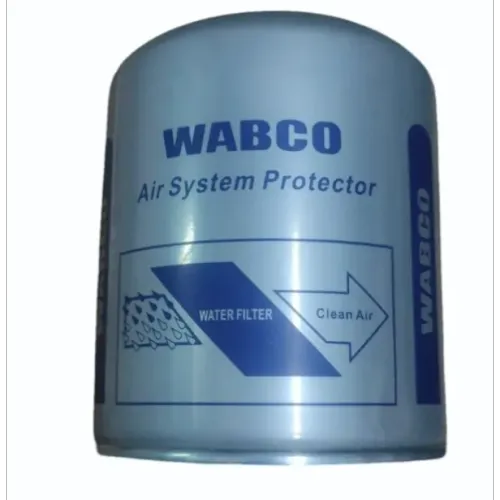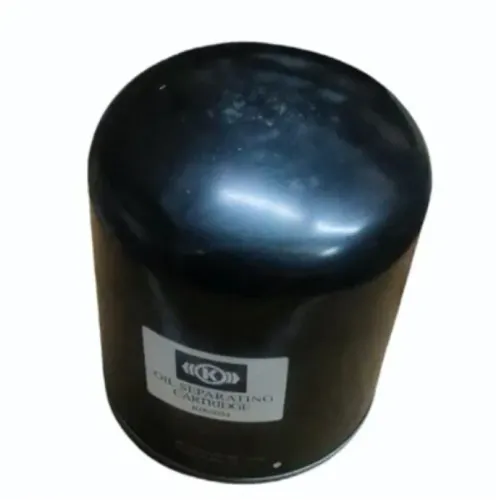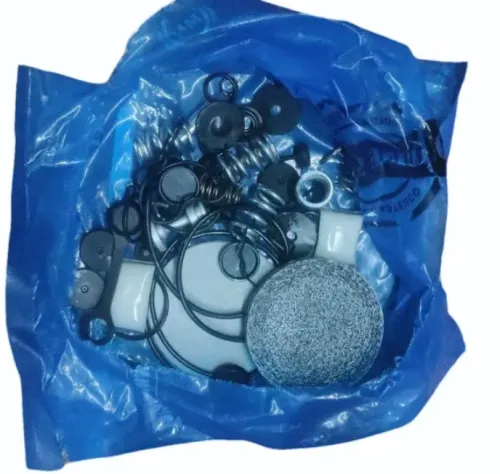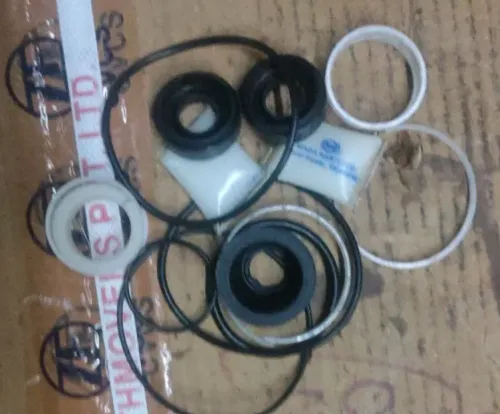
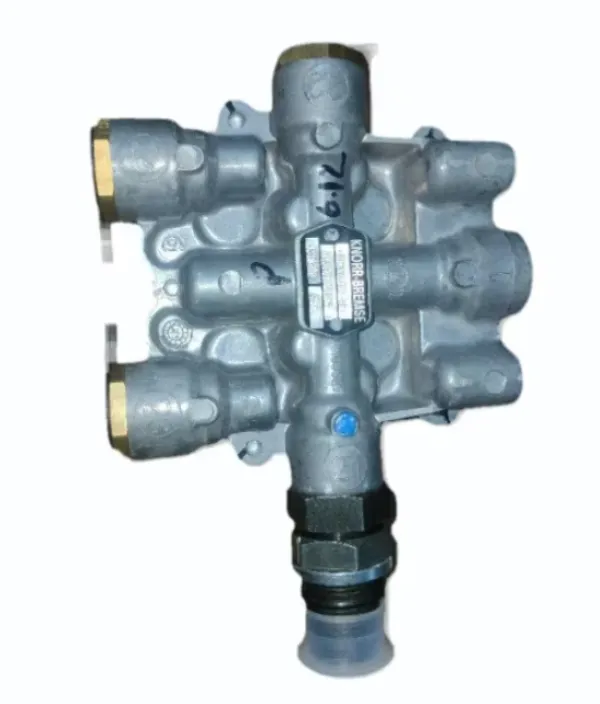
A System Protection Valve is not a component that commercial vehicle workshops should purchase through guesswork. Pneumatic systems can use different valve arrangements according to vehicle design, pressure requirements, and circuit configuration. Choosing a replacement therefore requires more than matching the general shape of the old valve.
For truck owners, bus operators, mechanics, fleet managers, and spare parts dealers in Nagpur, a simple verification process can make purchasing more accurate and reduce vehicle downtime.
1. Identify the Existing Valve
Begin with the component already fitted to the vehicle.
Clean the identification area carefully and record any readable part number, manufacturer information, markings, or other references.
Do not discard the old component until the replacement has been confirmed.
A physical sample can also be useful during local parts sourcing.
2. Confirm the Vehicle Application
Record the vehicle make, model, and other relevant application information.
Commercial vehicle manufacturers can use different pneumatic arrangements across model generations or configurations, so the vehicle name alone may not always be sufficient.
The more accurate the information supplied to the parts provider, the easier it becomes to narrow down the correct option.
3. Compare Port Configuration
Pneumatic valves connect to several air lines, and port arrangement matters.
Technicians should verify the number, location, and relevant identification of connections rather than assuming that a similar-looking valve will function correctly.
Never modify an air-system installation simply to make an unsuitable component fit.
4. Consider the Actual Fault
Before ordering a System Protection Valve, establish why the workshop believes the valve is defective.
Air leaks and pressure problems can originate from pipes, fittings, reservoirs, air dryers, compressors, connected valves, or other components.
Proper diagnosis can prevent replacement of a serviceable part.
5. Check the Condition of the Air System
Moisture and contamination can contribute to pneumatic system problems.
When replacing a failed component, technicians should inspect the condition of connected air lines and relevant upstream equipment.
If contamination is present throughout the system, installing one new valve may not solve the underlying problem.
6. Prioritise Reliable Component Quality
Commercial vehicles often spend long hours on the road and may operate under demanding load conditions.
A component used within an important pneumatic system should be selected for appropriate fit, specification, and dependable quality rather than lowest price alone.
For fleet operators, the cost of an unsuitable part can include towing, workshop labour, delivery disruption, and lost vehicle availability.
7. Use Skilled Installation
Pneumatic systems require correct installation and testing.
Connections should be installed appropriately, leakage should be checked, and the system should be tested according to suitable workshop procedures before the vehicle returns to service.
Components associated with safety-critical vehicle systems should be handled by qualified professionals.
8. Keep the Replacement Reference
Once the correct valve has been identified and installed successfully, record its reference for future maintenance.
This is particularly useful for Nagpur fleet operators managing multiple trucks or buses.
A simple parts database can save considerable time during later repairs.
Choosing a Supplier in Nagpur
A useful supplier should do more than identify a component by a broad product name. The ability to work from part references and application information is valuable when dealing with commercial vehicle components.
S A AUTOMOBILES supplies automobile and system components to workshops, dealers, fleet operators, and maintenance professionals in Nagpur.
Before requesting a system protection valve, keep the old part reference and vehicle details available. Accurate information allows a supplier and technician to focus on the correct application instead of relying on visual assumptions.
For commercial vehicles travelling throughout Maharashtra, reducing avoidable downtime is an important maintenance goal. A careful buying process—identify, diagnose, verify, install, test, and record—helps turn a routine valve replacement into a more dependable repair.
Keywords