

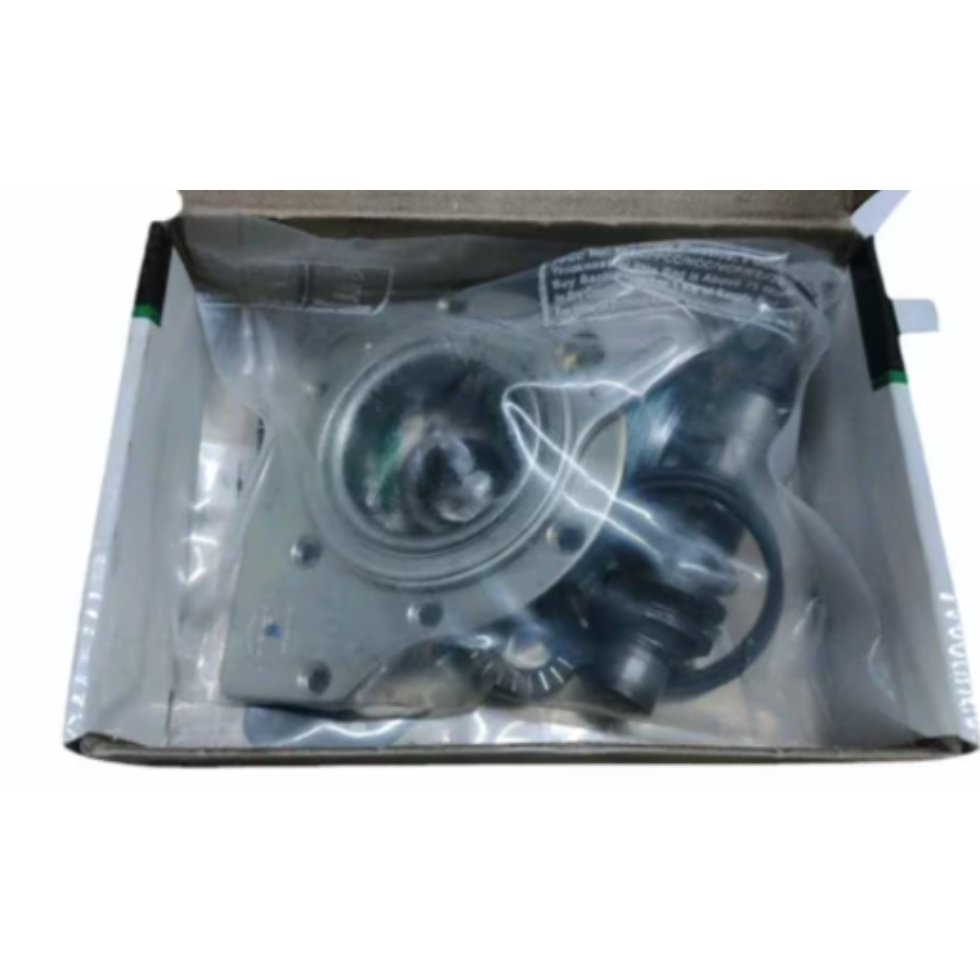
Brake systems in heavy commercial vehicles consist of several interconnected components that work together to deliver reliable stopping performance. Among these, the Mei Truck Slack Adjuster Kit plays an important role in ensuring the braking mechanism remains properly adjusted and functions efficiently throughout the vehicle's service life.
Transport companies operating across Maharashtra depend on reliable braking systems because commercial vehicles frequently travel long distances with heavy loads. A quality slack adjuster kit helps maintain brake performance while reducing unnecessary maintenance interruptions.
What Is a Truck Slack Adjuster Kit?
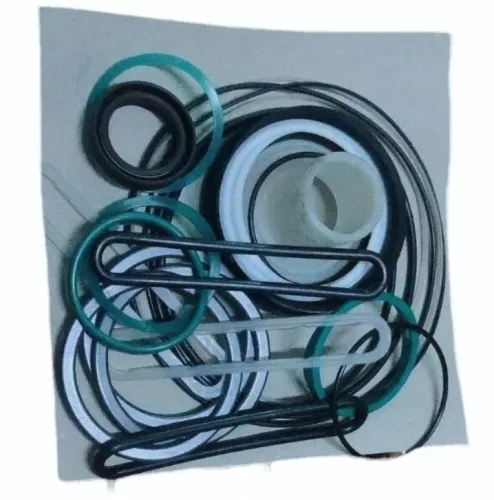
A truck slack adjuster kit contains the components required for installing or servicing a slack adjuster assembly. Depending on the application, the kit may include bushings, washers, seals, hardware, adjustment components, and other supporting parts designed to ensure proper installation and smooth operation.
Using a complete kit helps technicians replace worn parts together rather than reusing components that may already be nearing the end of their service life.
Why Is the Kit Important?
Brake performance depends on proper adjustment and smooth movement of the braking linkage.
A complete slack adjuster kit helps
- Restore proper brake adjustment
- Improve braking consistency
- Reduce premature component wear
- Simplify maintenance procedures
- Increase operational reliability
- Support longer service intervals
Replacing only one worn component while leaving others unchanged can sometimes lead to uneven wear and recurring maintenance issues.
Common Reasons for Replacement
Commercial vehicles experience continuous vibration, heavy loads, and changing road conditions. Over time, these factors contribute to normal wear.
Replacement may become necessary because of
- Excessive play in moving components
- Corrosion
- Damaged seals
- Worn bushings
- Loose mounting hardware
- Reduced adjustment accuracy
Routine inspections help identify these issues before they affect braking performance.
How to Select the Right Kit
Selecting the correct Mei Truck Slack Adjuster Kit involves more than matching dimensions.
Technicians should verify
- Vehicle make and model
- Axle configuration
- Brake chamber compatibility
- Slack adjuster specifications
- OEM requirements
- Installation dimensions
Using the wrong kit may lead to improper brake operation and unnecessary downtime.
Best Practices During Installation
Proper installation is essential for safe and reliable operation.
Experienced technicians generally recommend
- Inspecting all related brake components.
- Cleaning mounting surfaces.
- Replacing damaged hardware.
- Following manufacturer torque specifications.
- Checking brake stroke after installation.
- Performing a road test before returning the vehicle to service.
Attention to detail during installation helps maximize component life.
Industries That Benefit Most
The Mei Truck Slack Adjuster Kit is widely used across industries that rely on heavy commercial transportation.
These include
- Logistics companies
- Fleet operators
- Mining businesses
- Bus operators
- Construction contractors
- Industrial transport companies
- Commercial workshops
Reliable braking systems help improve safety while minimizing unexpected repairs.
Finding Dependable Spare Parts
Commercial vehicle maintenance requires components that meet demanding operating conditions. Businesses in Nagpur often source heavy vehicle spare parts from experienced suppliers familiar with truck and bus braking systems. S A AUTOMOBILES supports transport businesses, workshops, and distributors by offering commercial vehicle components suitable for multiple applications.
Final Thoughts
A quality Mei Truck Slack Adjuster Kit contributes to smoother brake operation, better maintenance efficiency, and improved vehicle safety. Regular inspections, correct installation, and choosing reliable replacement components help fleet owners across Nagpur and Maharashtra keep their commercial vehicles operating efficiently while reducing avoidable maintenance costs.